A brief interlude
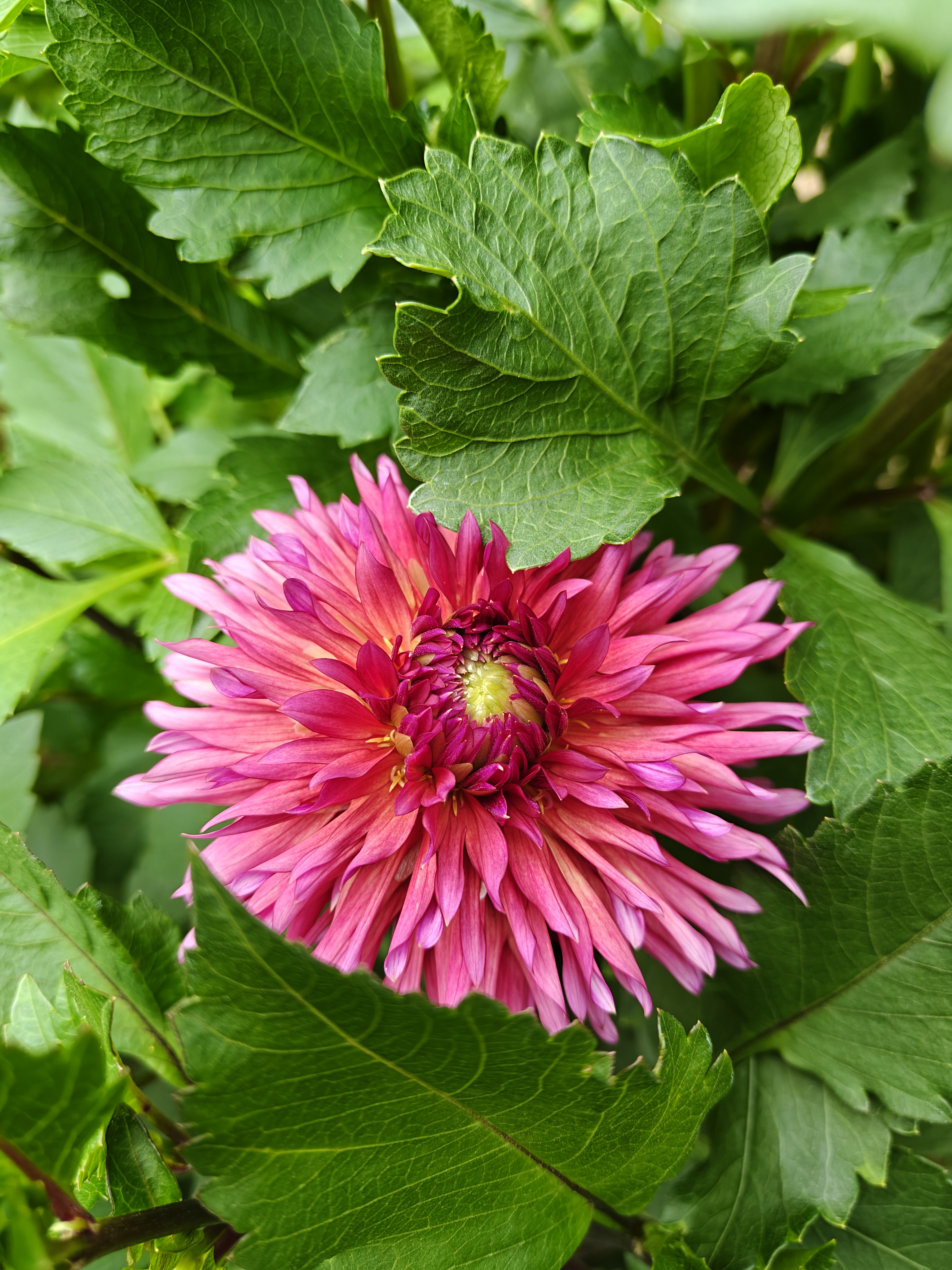
- Dahlia ‘Sonic Bloom’ (however, this does not seem accurate)
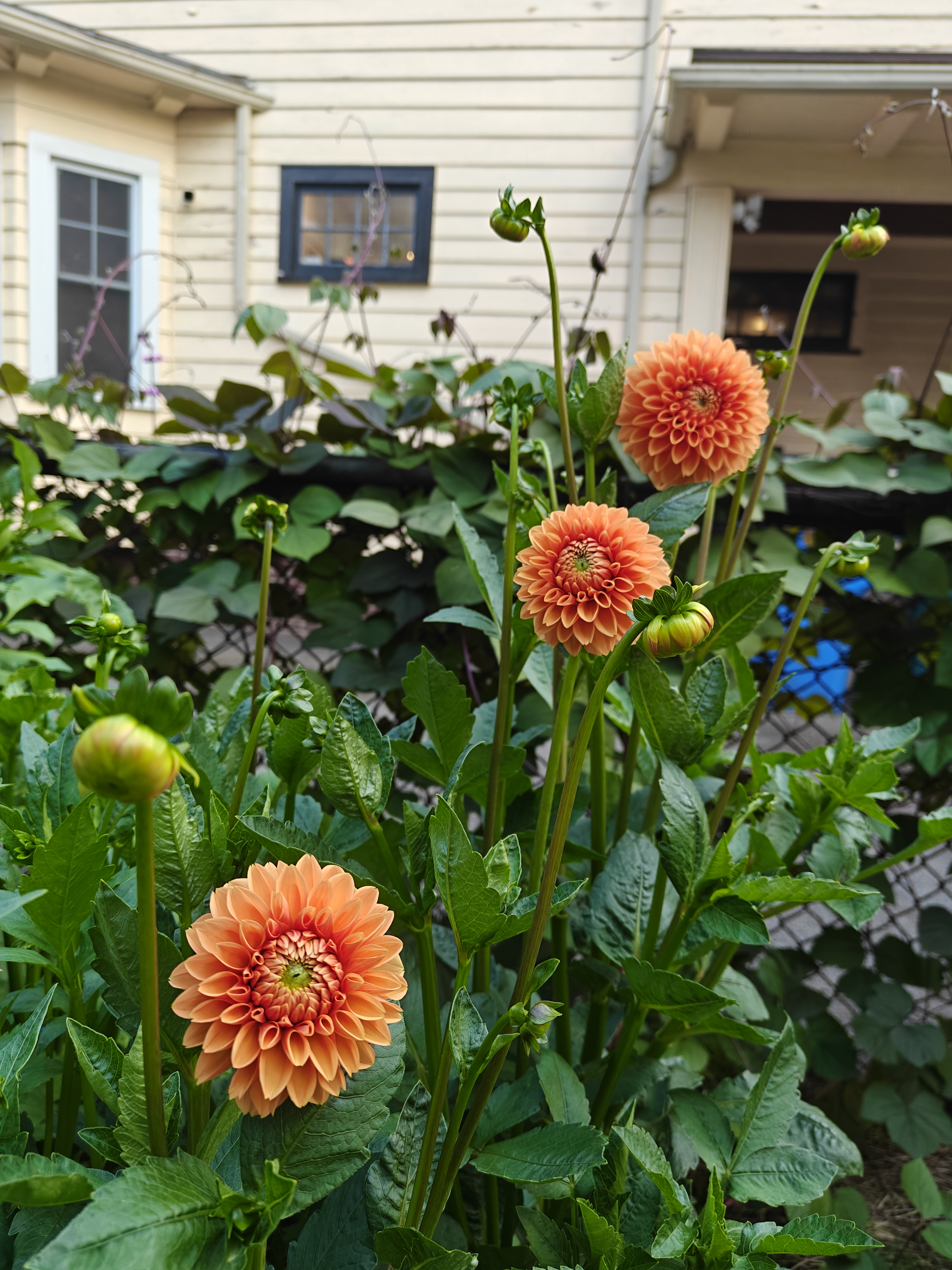
- Dahlia ‘Maarn’ from Artemis Flower Farm
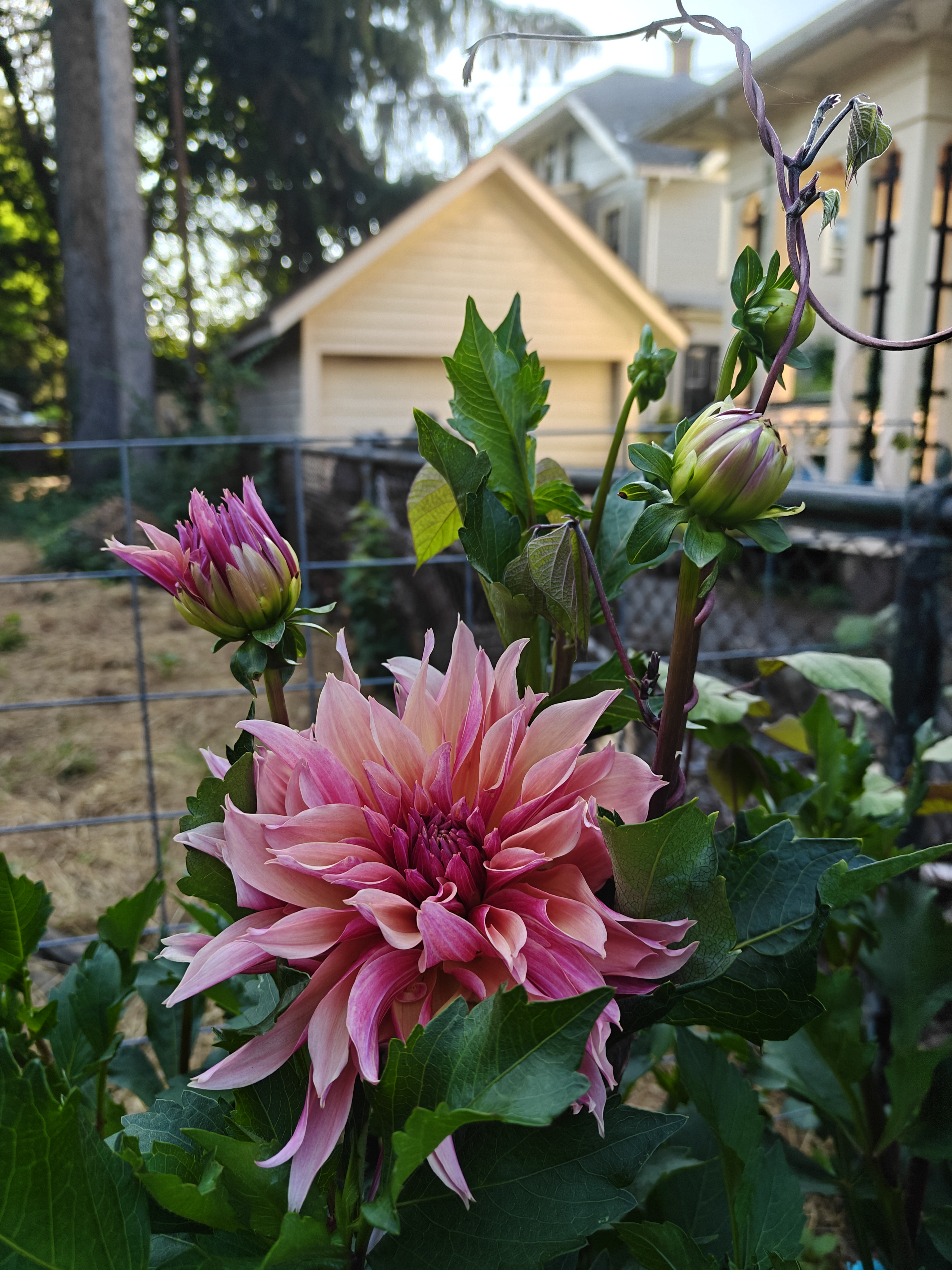
- Dahlia ‘Labyrinth’ from local Foxhaven Farms
As I was wrapping up grad school, going on a belated honeymoon with Patrick, and starting a new job, in the background I was cobbling together annuals to plant in our new-found south side sun.
Last year we had several trees taken down and this spring, April 2025, I used a skidsteer to scrape out the remaining ivy on the property. There was just enough time to create a plan and order seeds and tubers before winter broke. Sadly, there was not the time to bring in several yards of compost and break up the areas where the soil had been most compacted by the skidsteer’s trips to and from the dumpster. It was a much-needed lesson that the type of compost I’ve hauled in to my various gardens over the years makes a dramatic difference and a reminder that while soil preparation is almost everything, in the right circumstances, moderate success can still be achieved on our lot if steps are skipped.
This summer was my foray into cut flower gardening. Like many people, I fell victim to the dahlia-craze that has beset the United States. In 2024 I planted four tubers directly outside in April-May with reasonable success as 3 out of 4 flowered. For 2025, I planted over 75 tubers, most of which I started indoors early, allowing the plants to bloom 6-8 weeks sooner than 2024.
While the dahlias and annuals planted in areas unaffected by the skidsteer’s compaction did exceptionally well with no amendments (perhaps they enjoyed the old arborvitae’s affect on the soil), those that were planted in the area of greatest compaction were 1/4-1/3 of the size of their counterparts. Digging in the compacted areas in August, 4 months after using the skidsteer, the shovels of soil I turned up were hard and striated. I was surprised any tubers had managed to grow in this area.
Other plants I started from seed were hollyhock, stock, bunny tails, zinnias, asters, poppies, and foxglove. All of these are non- native annuals but are often revered in cut flower gardens in the United States. They did surprisingly well considering the soil conditions and late spring weather. In the long run, I plan to plant the remainder of our property a 70/30 mix of native and non-native species with no lawn.
Below are some photos of the plantings from late spring to mid summer. Some are annuals from this year; others are perennials I planted in the beds I tarped with plastic and restored last summer.
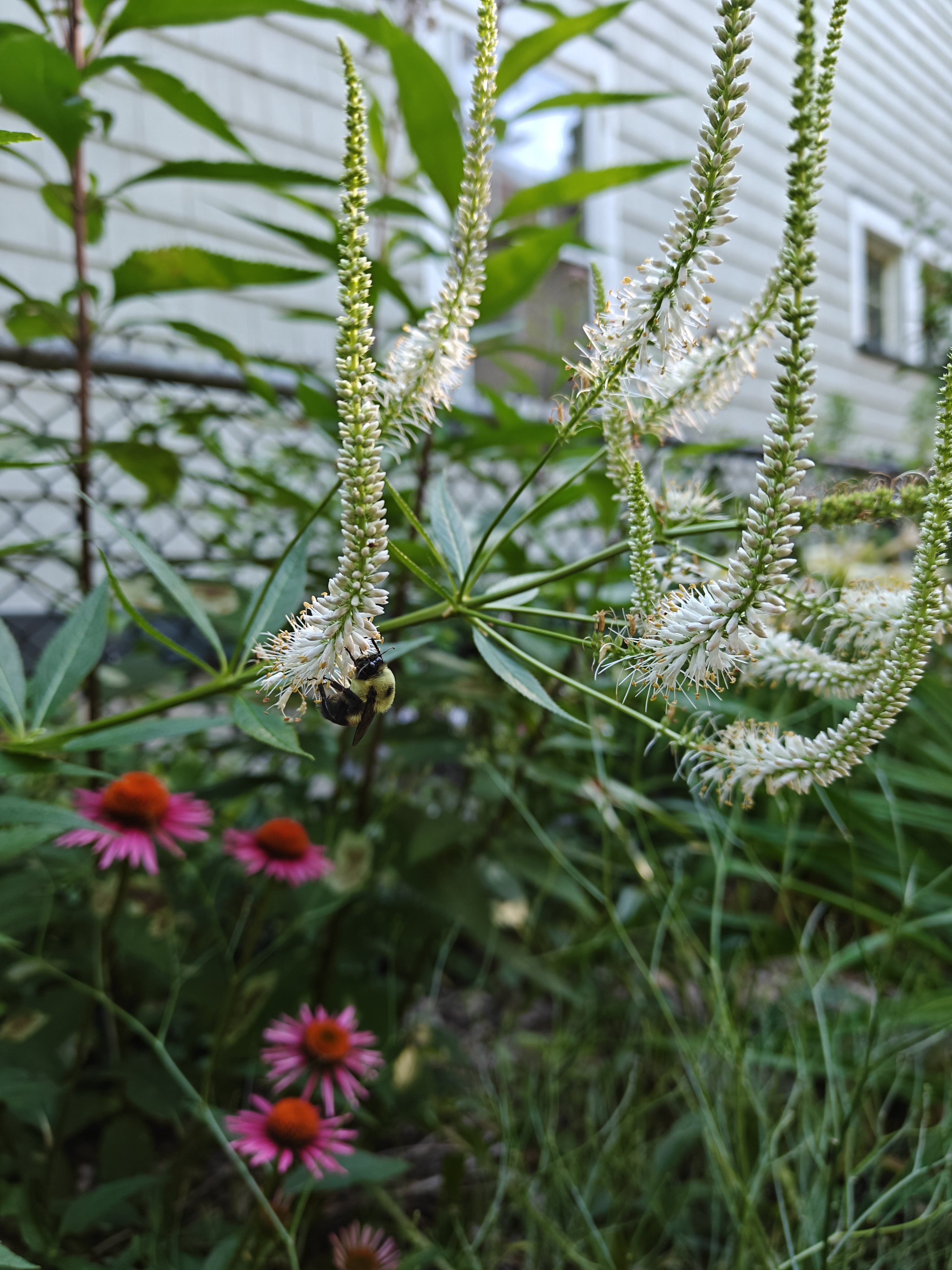
A bee helps itself to the triton-esque spires of Culver’s root, Veronicastrum virginicum. This plant grew rapidly and had bees on it every time I passed by. An E. purpurea cultivar begins to bloom in the background.
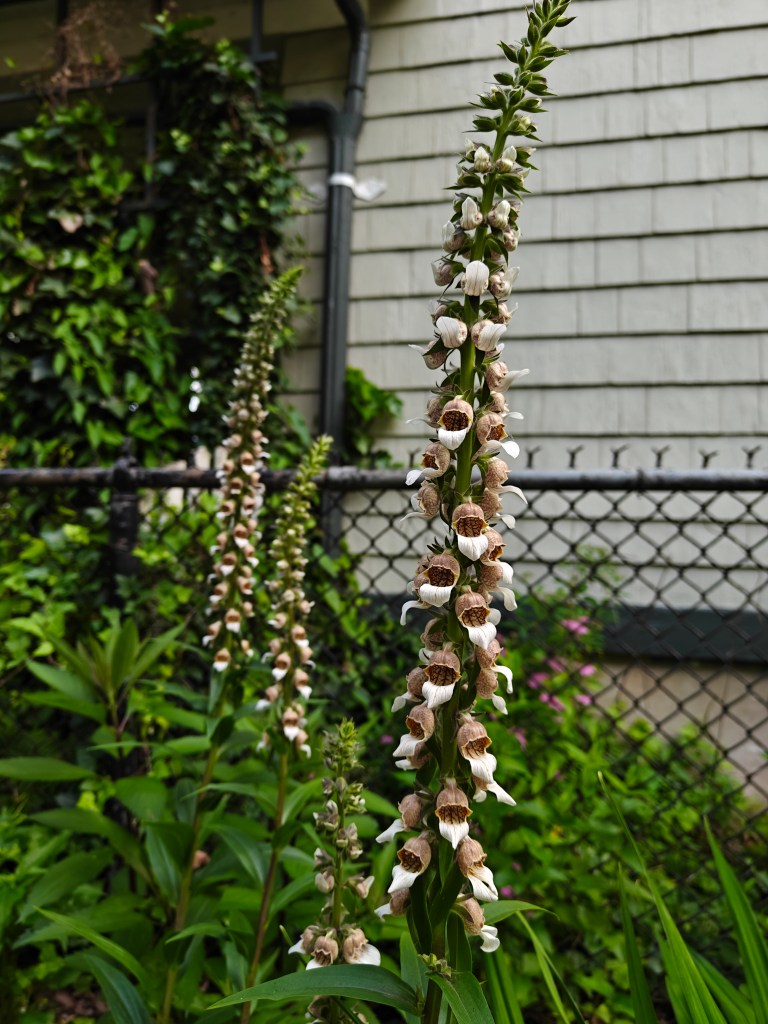
A stately rusty foxglove, Digitalis ferruginea, I found at a local vendor at the Brighton Farmer’s Market grew to be 4′ tall earlier this summer.
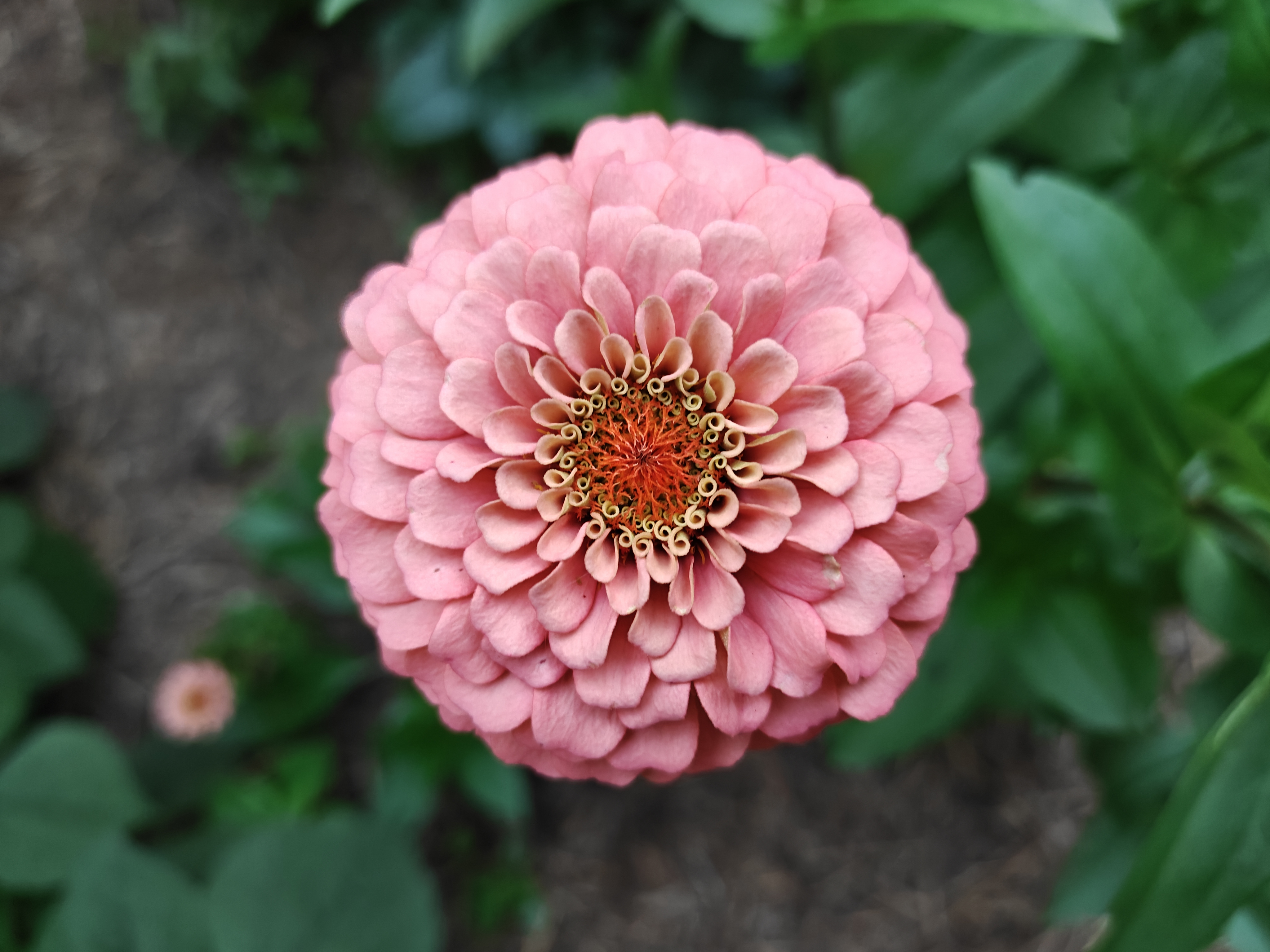
An ‘Oklahoma Salmon’ zinnia from Johnny’s Seeds. These were extremely prolific, growing over 3′ tall despite stressful spring planting conditions.
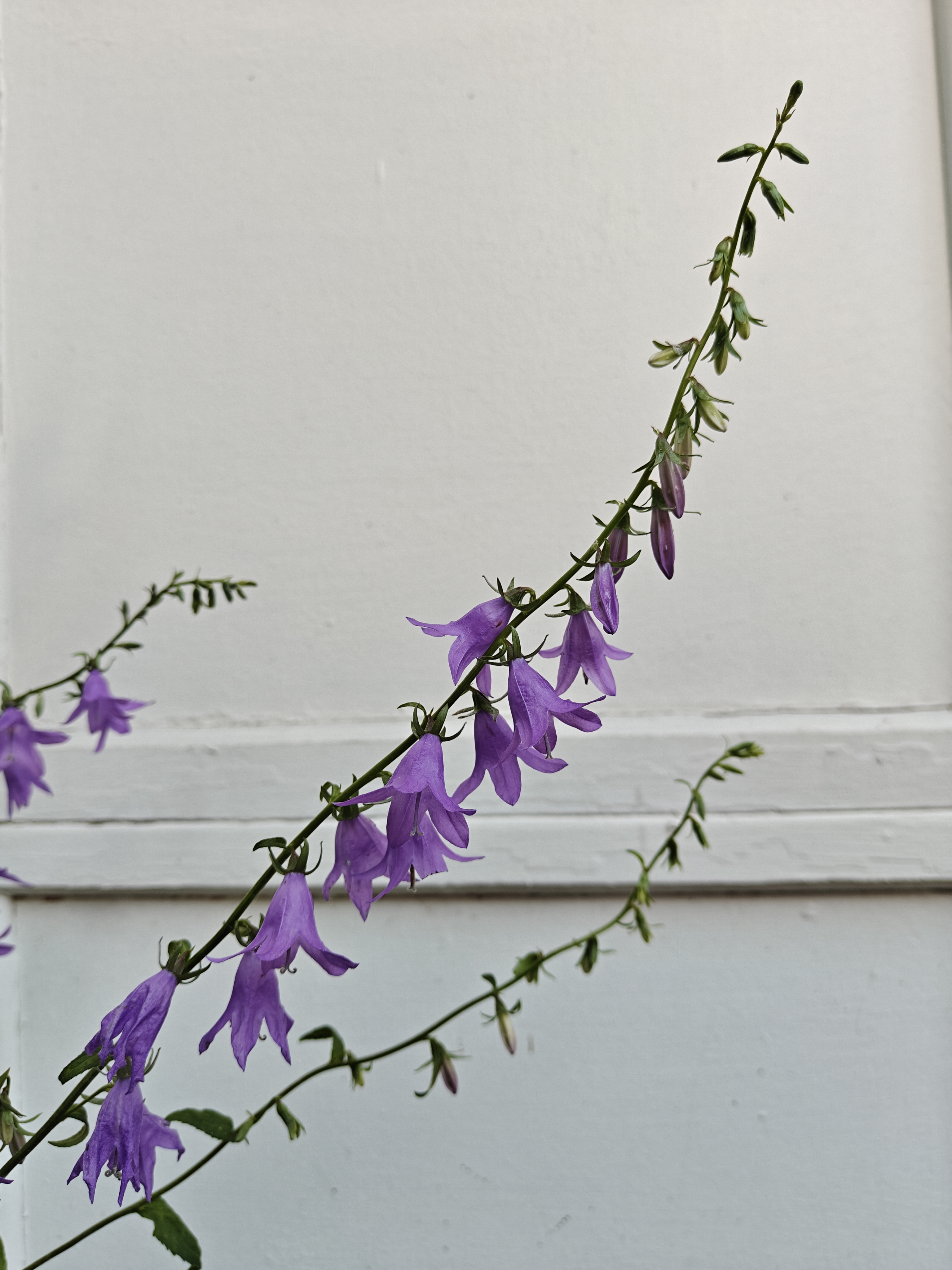
Our neighborhood was beset by this pretty but devastating flower that appeared in many yards this year. Creeping bellflower, Campanula rapunculoides, is extremely invasive, spreading by both seed and roots. We had a couple of plants on the property when we moved in August of 2022 and, uneducated, last year I allowed it to seed itself all over the north beds I had just reclaimed from weeds and invasive species.
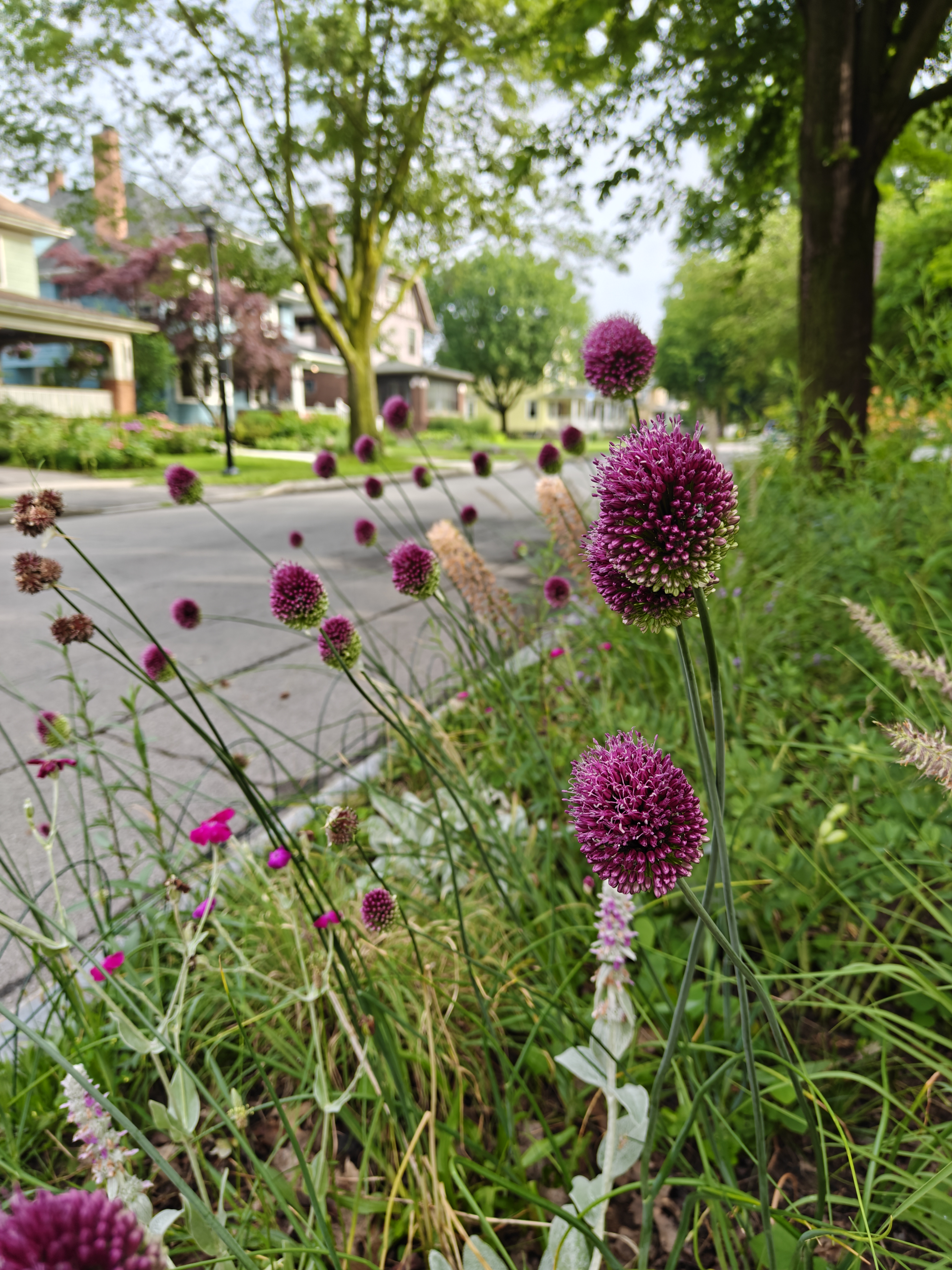
- Allium sphaerocephalon and Stachys byzantina
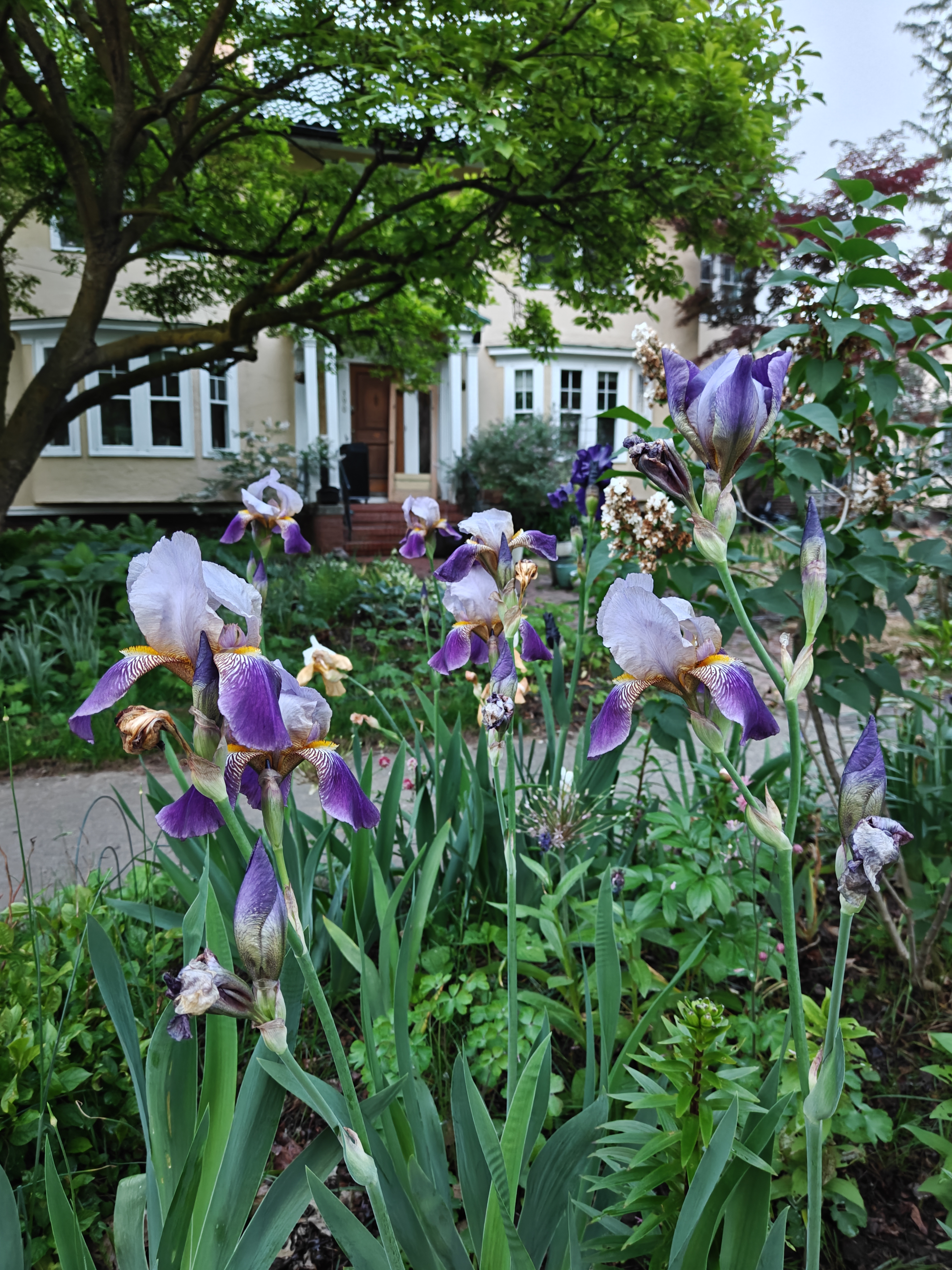
- Iris (unknown cultivar)
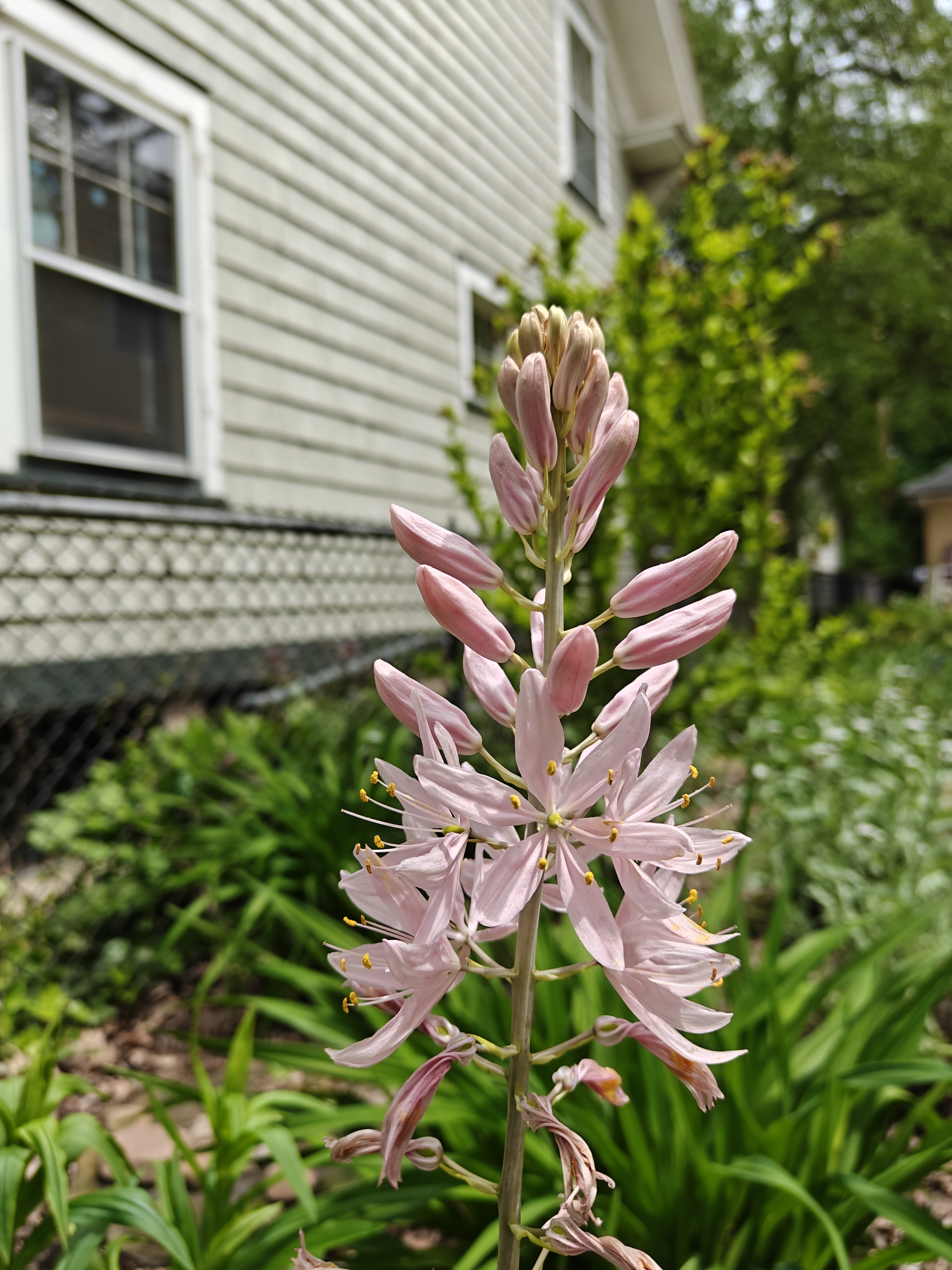
- Camassia leichtlinii ‘Pink Stars’
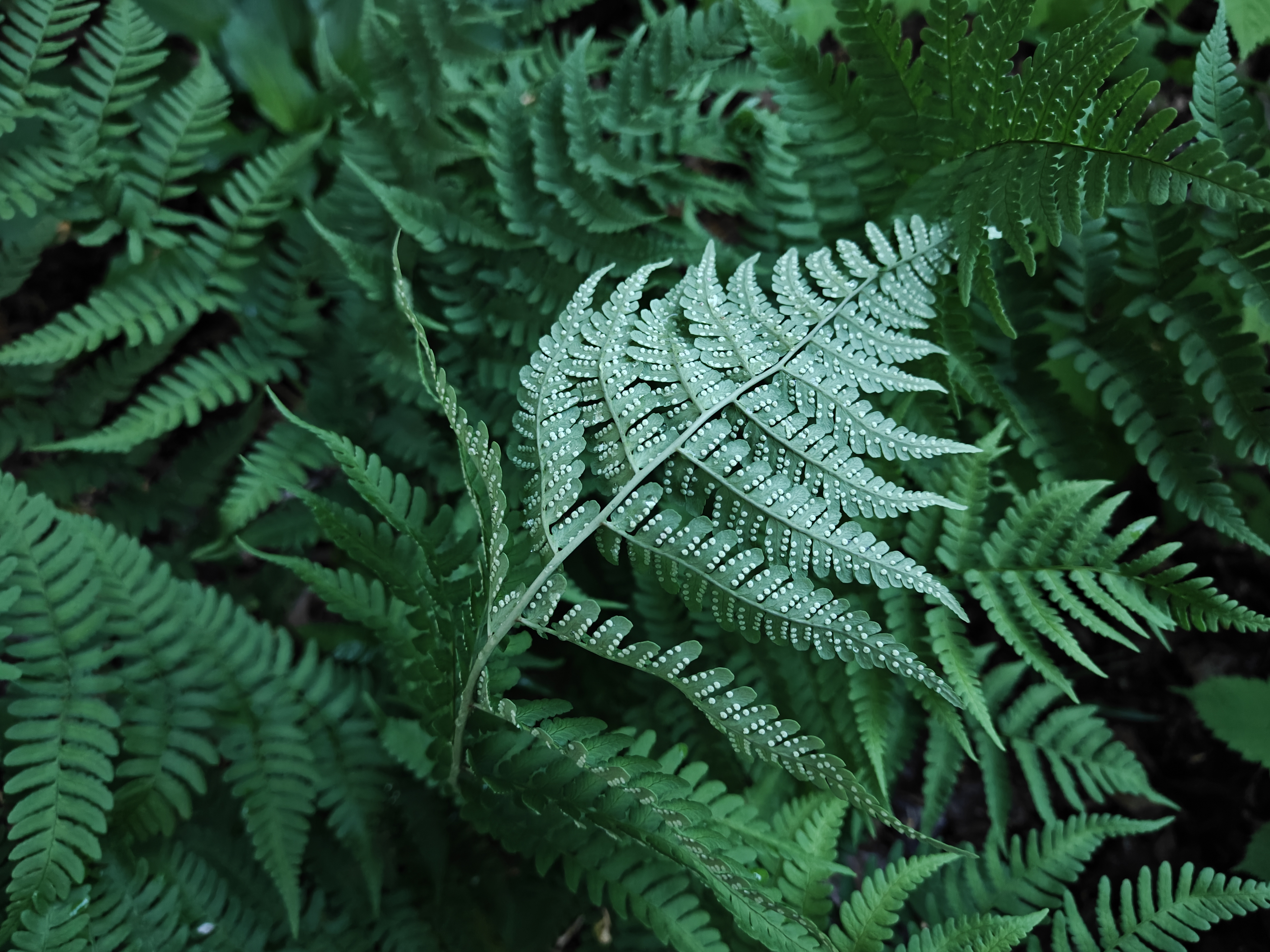
- Fern (unknown species)
Next year I plan to be planting in good compost with the compacted soil loosened with a broad fork. While the broad fork can disrupt important subsurface soil networks, I am expecting the addition of compost and mulch will outweigh this cost. Other adjustments I will make include giving up on planting full sun annuals in the western front yard (planting perennial part to full shade plants instead), adding irrigation lines or hoses for efficiency of time and water resources, and planting the annual beds according to plan(ish). This year, out of necessity of time, I planted the same annual species together, foregoing my original planting plan of grouping plantings to experiment with color, texture, and seasonality.
As a whole, I’m very pleased with how many plants excelled this year despite less than ideal growing conditions. I am already looking forward to prepping these beds for next year and shifting my focus to the perennial shade garden out front and deciding what to do with the blank canvas of a backyard.
 Jesse Horning
Leave a comment